
News & Events
Faculty of IT Scientific Council Meeting 2026: Reviewing Curriculum for 4 Majors and Development Orientation for 2026–2030
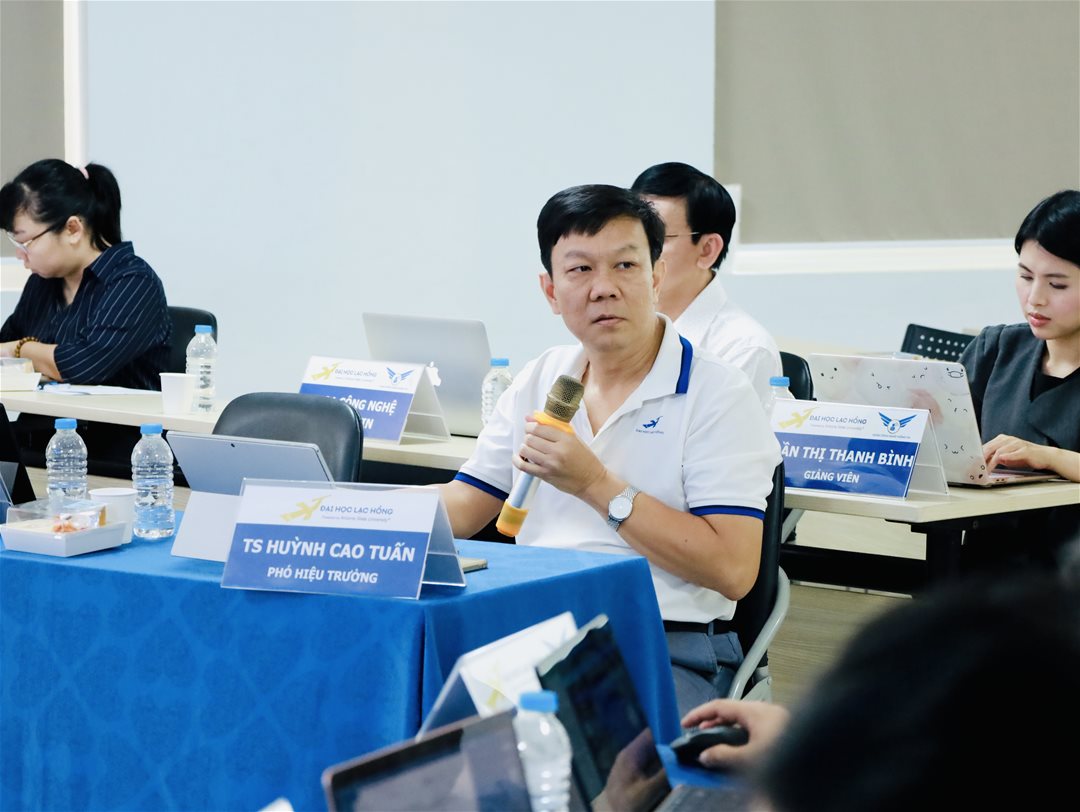
On March 17, 2026, the Faculty of Information Technology held its annual Scientific Council meeting with the participation of representatives from the University Board of Rectors, the Office of Academic Affairs, the Faculty Board of Management, Heads of Departments, and the entire teaching staff. This is an annual activity aimed at reviewing, updating, and improving the quality of training programs, ensuring they remain closely aligned with practical realities and the evolving trends in the technology sector.
-
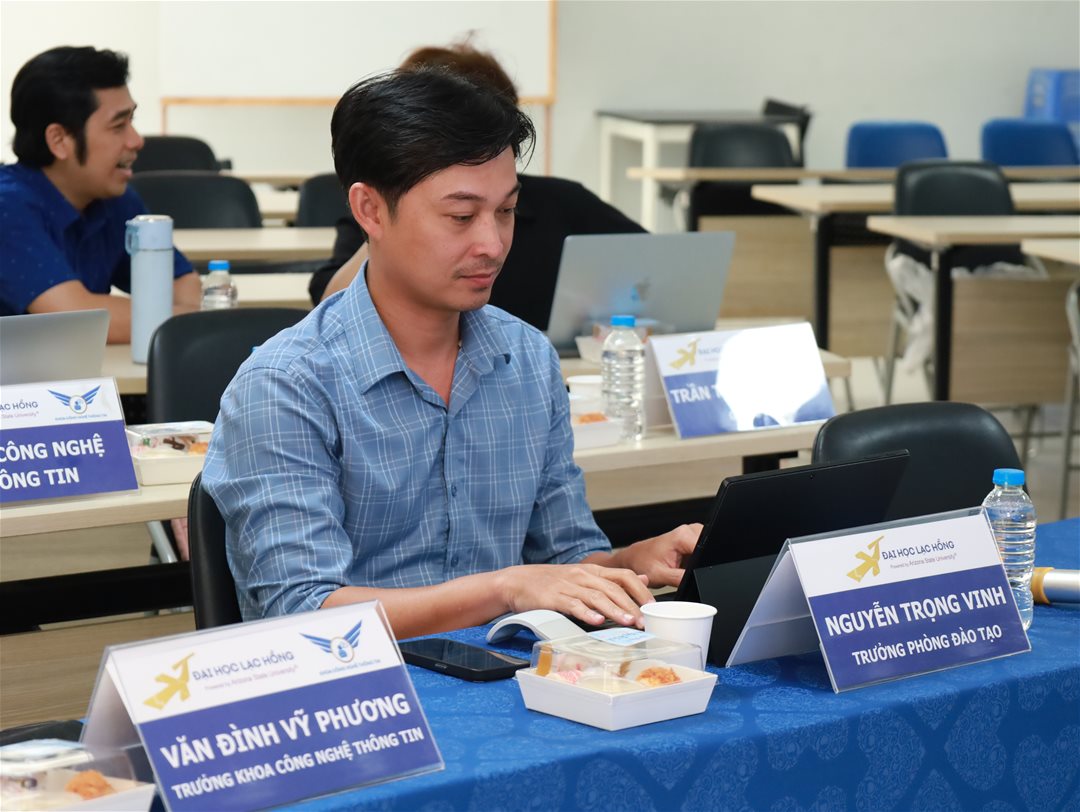
PhD Candidate Nguyen Trong Vinh – Head of the Office of Academic Affairs 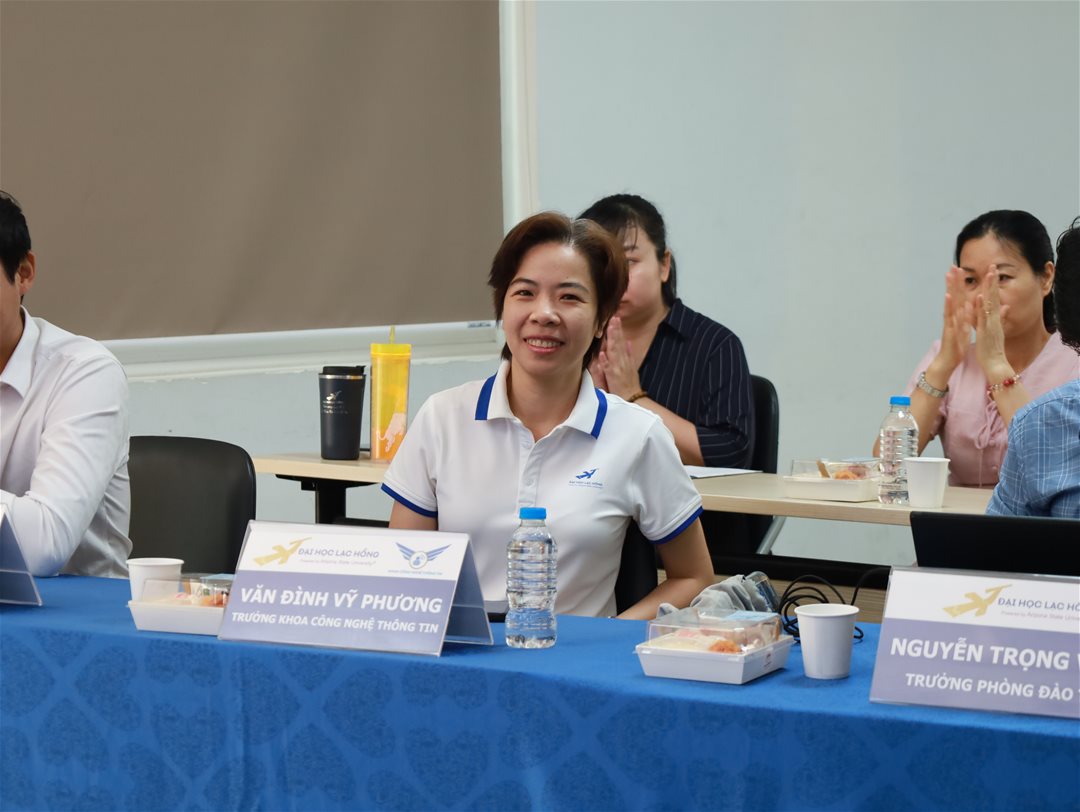
M.Sc. Van Dinh Vy Phuong – Dean of the Faculty of IT 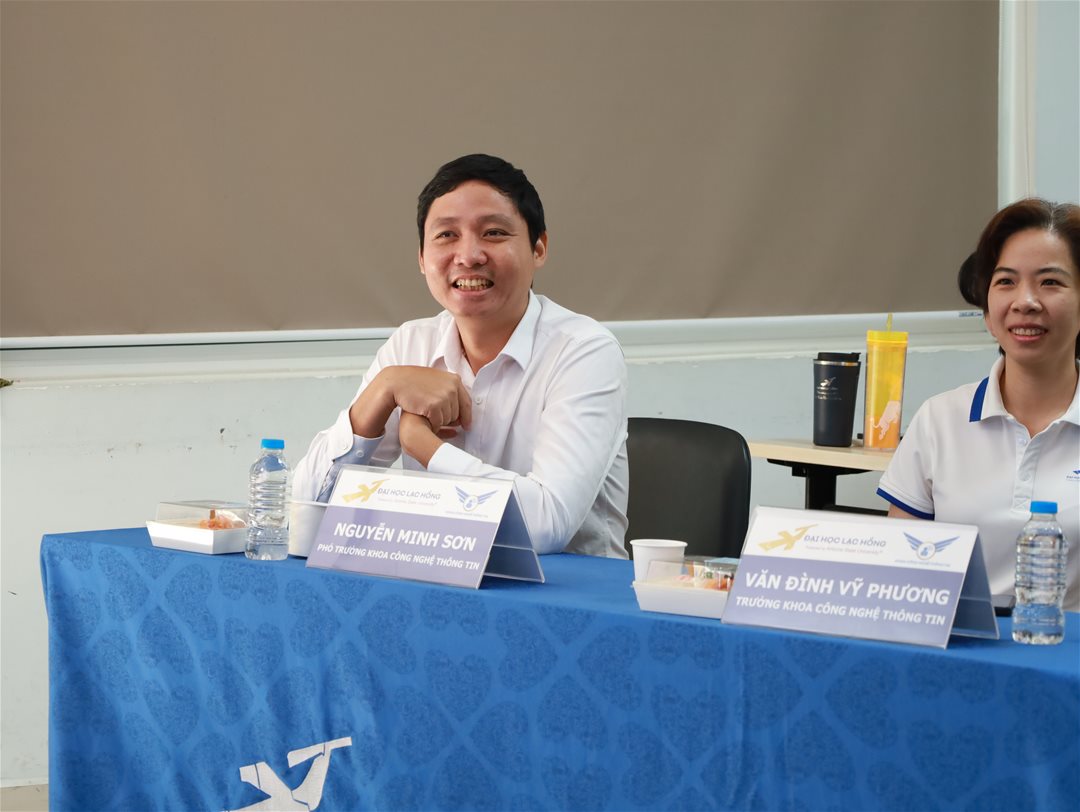
M.Sc. Nguyen Minh Son – Vice Dean of the Faculty of IT The meeting focused on the Faculty's four key training majors: Information Technology, Artificial Intelligence, E-commerce, and Multimedia Communications. In the context of intensive digital transformation—particularly with the rapid growth of Artificial Intelligence (AI), Big Data, and digital platforms—human resource requirements are constantly shifting. This creates an urgent need to continuously innovate training programs to meet enterprise demands and student career goals.
During the meeting, Heads of Departments presented the 2025 training program evaluation reports for each major. The reports focused on analyzing program structures, learning outcomes, the integration of theory and practice, the ability to meet real-world requirements from businesses, and alignment with current career trends. In addition to recognizing strengths, the reports also identified specific content areas requiring adjustments and updates.
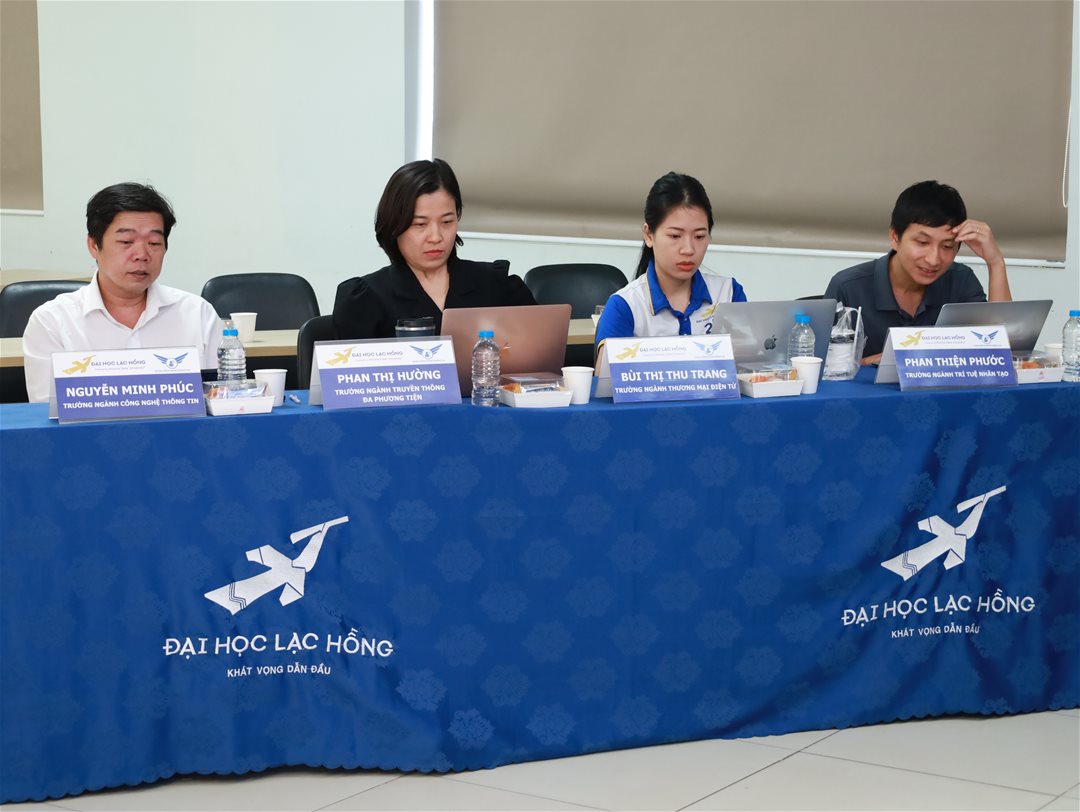
Based on these findings, the development orientations for training programs in the 2026–2030 period were proposed with several key highlights: increasing the integration of modules related to AI, Data, and emerging technologies; promoting project-based learning methods; and enhancing students' practical skills, creative thinking, and adaptability. Simultaneously, the Faculty aims to build more flexible training programs to meet the diverse needs of learners and the increasing demands of the labor market.
In addition to professional reports, the meeting recorded various contributions from the Board of Rectors, the Office of Academic Affairs, and Faculty leadership. Feedback focused on standardizing programs according to quality accreditation orientations, strengthening industry linkages, rapidly updating new technology trends, and ensuring practical feasibility and effective implementation in training.
The 2026 Scientific Council meeting continues to affirm its role as an important academic forum where the Faculty of Information Technology proactively evaluates, innovates, and shapes its long-term development strategy. With a training orientation tied to practice, trend updates, and a student-centered approach, the Faculty of IT aims to produce high-quality human resources for its four key sectors, meeting the increasing societal demands of the digital era.
